
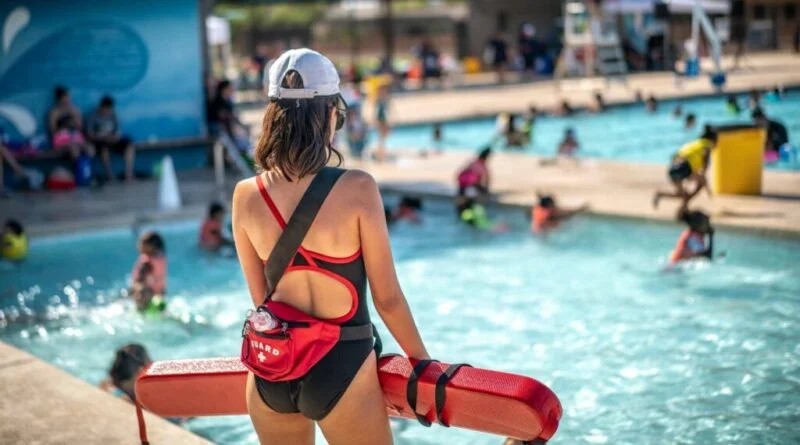
Becoming a certified lifeguard is more than just learning how to swim and rescue—it’s about mastering a set of skills that can save lives. One of the first questions people ask when considering this career path is: How long does lifeguard training take? The answer can vary based on training type, certification level, location, and your personal learning pace.
In this guide, we will explore lifeguard training duration in detail, including factors that influence it, typical schedules, training components, industry insights, and tips to complete your training successfully.
1. Why Lifeguard Training Duration Matters
The duration of lifeguard training is important for several reasons:
-
Time Commitment: Knowing the total hours required helps you plan your schedule, especially if you have school, work, or other commitments.
-
Skill Retention: A well-paced course ensures you retain knowledge and can apply it effectively during emergencies.
-
Certification Requirements: Many organizations have minimum training hours mandated by national or local safety bodies.
-
Career Planning: Understanding timelines allows you to prepare for seasonal hiring periods, especially during summer.
2. Average Lifeguard Training Duration
On average, lifeguard certification courses last between 25 and 40 hours. These hours are often spread over several days or weeks depending on the training provider and course format.
Common Duration Examples:
-
Intensive Weekend Courses: 2–3 days (long sessions, 8–10 hours each day)
-
Standard Weeknight Courses: 2–3 weeks (shorter evening classes, 2–4 hours each)
-
Blended Learning Courses: Online theory modules + in-person practical sessions (varies from 3 days to 2 weeks)
3. Factors That Affect Lifeguard Training Duration
While most courses fall within the standard timeframe, several factors can influence how long your training will take:
a. Type of Lifeguard Certification
-
Pool Lifeguard: Usually shorter (25–30 hours) as it focuses on still-water environments.
-
Waterfront Lifeguard: Longer (35–40 hours) due to open-water skills like currents, tides, and boats.
-
Waterpark Lifeguard: Varies (30–35 hours) with specialized water slide and wave pool training.
b. Course Format
-
In-Person Training: Fully instructor-led sessions take longer but allow more practice time.
-
Blended Learning: Combines online theory (self-paced) with shorter in-person practical training.
-
Accelerated Courses: Fast-paced, designed for strong swimmers with good CPR skills.
c. Training Organization Standards
Different organizations like the American Lifeguard Association (ALA), American Red Cross, or YMCA may have slightly different duration requirements.
d. Student Readiness
If you already have strong swimming and first aid skills, you might progress faster through the material.
4. Step-by-Step Breakdown of Lifeguard Training Timeline
Here’s a sample timeline for a standard 30-hour lifeguard course:
Day 1–2: Introduction & Basic Rescue Skills (6–8 hours)
-
Course overview & expectations
-
Legal responsibilities of a lifeguard
-
Basic swimming skills test (e.g., 300-meter swim)
-
Introduction to rescue equipment (buoys, tubes)
-
Basic water rescues
Day 3–4: CPR, AED, & First Aid (6–8 hours)
-
Adult, child, and infant CPR
-
AED (Automated External Defibrillator) usage
-
Wound care, bleeding control, and fracture management
Day 5–6: Advanced Water Rescue Techniques (6–8 hours)
-
Spinal injury management in water
-
Multiple victim rescues
-
Deep-water rescues
-
Simulated emergency scenarios
Day 7–8: Testing & Certification (4–6 hours)
-
Written exam (multiple choice)
-
Practical skill assessment in the water
-
Final feedback and certification issuance
5. Industry Insights on Lifeguard Training Duration
Hiring Seasons Matter
Many lifeguard employers hire ahead of summer, so completing your course in early spring can give you an advantage.
Recertification Is Shorter
Lifeguard recertification courses typically take 10–15 hours, as they focus on refreshing skills rather than starting from scratch.
Blended Learning Speeds Up Training
Industry trends show that blended learning can reduce in-person training by up to 30% without compromising quality.
6. Expert Tips to Complete Training Efficiently
1. Prepare Physically Before the Course
Most programs start with a swim test—train ahead to pass it easily.
2. Complete Theory Modules Early
If your course includes online modules, finish them before practical sessions to save time.
3. Practice Outside of Class
The more you practice CPR and rescue techniques outside training hours, the faster you’ll master them.
4. Stay Consistent
Avoid missing classes, as makeup sessions can extend your training duration.
5. Choose the Right Course Format
If you’re short on time, an intensive weekend or blended format may be best.
7. Lifeguard Training Duration by Country (Comparison Table)
| Country | Average Hours | Typical Course Length |
|---|---|---|
| USA | 25–40 hours | 3 days to 3 weeks |
| UK | 30–36 hours | 5–6 days |
| Australia | 30–35 hours | 4–7 days |
| Canada | 35–40 hours | 5–7 days |
8. Common Myths About Lifeguard Training Duration
-
Myth 1: “I can be certified in a single afternoon.”
-
Reality: Even the fastest courses require at least 2–3 full days.
-
-
Myth 2: “Shorter courses mean lower quality.”
-
Reality: Well-structured accelerated courses can still meet all safety standards.
-
-
Myth 3: “Once certified, I never need training again.”
-
Reality: Certifications usually expire in 2 years, requiring recertification.
-
9. Lifeguard Training Duration – Quick FAQs
Q1: How long does a standard lifeguard course take?
A: Typically 25–40 hours, spread over several days or weeks.
Q2: Is online lifeguard training shorter?
A: Yes, blended learning can shorten in-person training by 20–30%.
Q3: Can I get certified in one weekend?
A: Yes, if you take an intensive weekend course and pass all requirements.
10. Final Thoughts
Understanding lifeguard training duration is essential for planning your journey toward becoming a certified lifeguard. While most courses range from 25 to 40 hours, the actual time will depend on your chosen certification type, course format, and personal readiness.
By preparing physically, staying consistent, and choosing the right training structure, you can complete your course efficiently and start your career ready to protect lives at the pool, beach, or waterpark.