
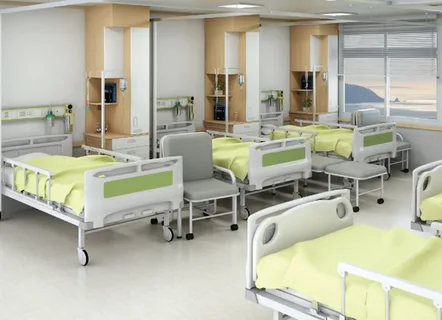
When people think of healthcare, the first things that often come to mind are skilled doctors, advanced treatments, and modern facilities. However, one of the most overlooked aspects of patient well-being is the environment in which care is provided. Beyond medical expertise, a hospital’s physical setting plays a critical role in recovery—and at the heart of that setting is hospital furniture. From patient beds to waiting room chairs, furniture designed for comfort and care can significantly improve the overall healthcare experience.
Why Hospital Furniture Matters
Hospital furniture is not simply about function. It directly influences:
- Patient Recovery: Comfortable, ergonomic furniture reduces stress, enhances rest, and promotes faster healing.
- Staff Efficiency: Properly designed furniture helps doctors, nurses, and caregivers perform their duties effectively.
- Patient Experience: A welcoming environment reassures patients and their families, creating a sense of safety and trust.
- Hospital Reputation: Modern, well-maintained furniture reflects professionalism and commitment to quality care.
Hospitals that invest in patient-centered furniture demonstrate that they value not just treatment but also the human experience of care.
Key Features of Patient-Centered Hospital Furniture
To truly enhance patient comfort and care, hospital furniture should embody several important qualities:
1. Ergonomic Design
Ergonomics is at the core of comfort. Hospital beds, chairs, and tables are designed to support the body’s natural posture, reducing strain on patients who may spend long hours resting. Adjustable headrests, height options, and lumbar support improve both patient comfort and caregiver accessibility.
2. Mobility and Flexibility
Patients with limited movement often require furniture that adjusts to their needs. Modern hospital beds can be electronically adjusted for reclining, sitting, or raising legs, making it easier for patients to change positions without discomfort.
3. Safety Features
Safety is a top priority in healthcare environments. Hospital furniture is designed with features like anti-slip materials, lockable wheels, and side rails to prevent falls and accidents. For caregivers, furniture that can be easily sanitized reduces infection risks.
4. Durability and Hygiene
Hospital furniture must withstand constant use while remaining easy to clean. High-quality materials like stainless steel, antimicrobial surfaces, and stain-resistant upholstery ensure both durability and hygiene.
5. Aesthetic Appeal
Comfort goes beyond physical ease. A calm, inviting environment improves patient morale. Furniture with soft colors, smooth finishes, and welcoming designs helps reduce the anxiety often associated with hospitals.
Essential Types of Hospital Furniture
A hospital requires a wide range of furniture to serve both patients and healthcare providers. Some of the most essential include:
- Patient Beds: Adjustable, ergonomic beds designed for comfort and accessibility.
- Examination Tables: Versatile tables that ensure patient safety during checkups and procedures.
- Bedside Cabinets: Convenient storage for personal items and medical equipment.
- Overbed Tables: Easy-to-move tables for meals, reading, or working.
- Waiting Room Chairs: Comfortable, durable seating for patients’ families and visitors.
- Recliners and Lounge Chairs: Specially designed for long-term care and patient relaxation.
Every piece of furniture contributes to the overall atmosphere of care and plays a role in recovery.
Benefits of Modern Hospital Furniture
When healthcare facilities choose patient-focused, modern hospital furniture, they unlock several benefits:
- Enhanced Patient Recovery: Comfortable beds and chairs reduce stress and promote healing.
- Improved Staff Productivity: Functional furniture allows doctors and nurses to work more efficiently.
- Higher Patient Satisfaction: A positive hospital environment improves patient experiences and hospital ratings.
- Long-Term Cost Savings: Durable, high-quality furniture reduces replacement and maintenance costs.
- Better Infection Control: Antimicrobial finishes and easy-to-clean surfaces minimize risks of hospital-acquired infections.
Patient Comfort: A Top Priority
For patients, especially those undergoing long-term treatment, comfort is essential. A bed that reclines at the right angle, a chair that supports posture, or a table that is within easy reach can drastically improve daily life during hospital stays. This attention to comfort not only aids physical recovery but also supports mental well-being, reducing feelings of anxiety and isolation.
The Role of Hospital Furniture in Caregiver Support
Comfortable patients make caregiving more effective. Adjustable beds, mobile tables, and ergonomic chairs ease the workload for doctors and nurses. Furniture designed with caregivers in mind reduces strain, improves workflow, and allows healthcare professionals to focus on providing the best care.
Future Trends in Hospital Furniture
Healthcare design is evolving, and hospital furniture continues to adapt to meet new challenges. Some trends shaping the future include:
- Smart Beds: Equipped with sensors to monitor patient vitals and movement.
- Sustainable Materials: Eco-friendly designs that promote green healthcare practices.
- Modular Furniture: Flexible designs that adapt to different medical situations.
- Patient-Controlled Comfort: Beds and chairs with user-friendly digital controls.
By embracing these innovations, hospitals can stay ahead in delivering world-class care.
Final Thoughts
Hospital furniture is far more than an accessory—it is a vital component of patient care and comfort. From ergonomically designed beds to inviting waiting room chairs, each piece shapes the patient’s journey toward recovery. By investing in hospital furniture designed for comfort and care, healthcare facilities not only improve patient well-being but also enhance staff efficiency, reduce risks, and build a strong reputation for excellence.
In the end, hospitals that prioritize patient-centered furniture send a powerful message: every aspect of their care, down to the furniture, is designed with healing, safety, and compassion in mind.
FAQs:
Q1: Why is hospital furniture important for patient comfort?
Hospital furniture plays a vital role in reducing stress, improving posture, and ensuring safety. Ergonomically designed furniture supports faster recovery and enhances the overall patient experience.
Q2: What types of hospital furniture are essential in healthcare facilities?
Essential hospital furniture includes patient beds, bedside cabinets, overbed tables, examination tables, waiting room chairs, and recliners—all designed to improve comfort and care.
Q3: How does modern hospital furniture improve patient care?
Modern hospital furniture is adjustable, hygienic, and ergonomic. It provides ease of movement, supports caregivers, and ensures a safe, welcoming environment that promotes healing.
Q4: What materials are commonly used in hospital furniture?
High-quality hospital furniture often uses stainless steel, antimicrobial laminates, and stain-resistant upholstery to ensure durability, safety, and ease of cleaning.
Q5: What are the latest trends in hospital furniture design?
Trends include smart beds with sensors, eco-friendly sustainable materials, modular designs, and patient-controlled digital comfort features that enhance both recovery and safety.