
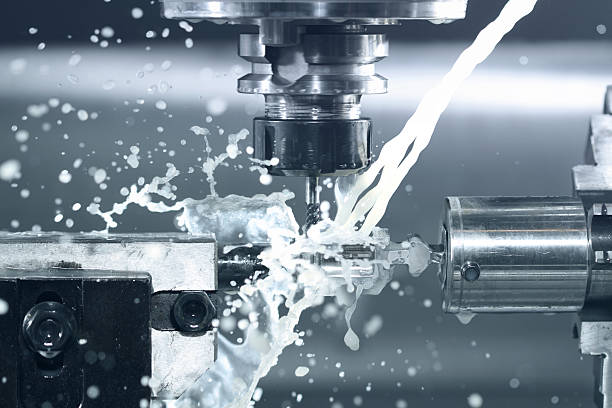
In the competitive world of manufacturing, surface finishing has become a critical step in delivering products that meet both functional and aesthetic demands. From aerospace components to consumer electronics, the final finish on a metal surface influences durability, resistance to wear, corrosion protection, and overall product quality. Among all metals, aluminum stands out due to its light weight, versatility, and adaptability to various finishes.
This guide explores the importance of aluminum surface finishes, their applications across industries, comparisons with stainless steel surface finish processes, and the role of advanced techniques such as EDM surface finish in achieving precision.
Why Aluminum Requires Special Attention in Finishing
Aluminum is widely used in industries ranging from automotive to electronics because of its excellent strength-to-weight ratio and corrosion resistance. However, raw aluminum can be prone to scratches, oxidation, and surface inconsistencies. This makes aluminum surface finishes essential for:
-
Enhancing durability
-
Improving resistance to corrosion
-
Providing a decorative appearance
-
Increasing wear resistance
-
Ensuring electrical conductivity when required
By applying the right surface treatment, manufacturers can tailor aluminum to match the precise requirements of any application.
Categories of Aluminum Surface Finishes
Aluminum can be finished in multiple ways, depending on whether the goal is protection, appearance, or performance. The most common aluminum surface finishes include:
1. Mechanical Finishes
Mechanical finishes rely on processes like grinding, buffing, polishing, or blasting to smooth out the surface. These finishes are often used before other treatments to prepare the surface for coatings or plating.
-
Polished Finish: Creates a mirror-like appearance ideal for decorative components.
-
Brushed Finish: Produces a satin look, often used in consumer electronics and appliances.
-
Blasted Finish: Achieved through sandblasting or bead blasting to give a matte texture.
2. Chemical Finishes
Chemical treatments involve using acids or other solutions to alter the surface.
-
Chemical Brightening: Enhances reflectivity and brightness.
-
Etching: Creates a matte, non-reflective surface by removing a thin layer of material.
-
Conversion Coating: Improves corrosion resistance and provides a base for painting.
3. Electrochemical Finishes
Electrochemical methods are among the most popular ways to achieve high-performance finishes.
-
Anodizing: A widely used treatment that improves corrosion resistance and allows for coloring options.
-
Electroplating: Adds a thin layer of another metal, such as nickel or chrome, for enhanced durability.
4. Coating Finishes
Coatings provide both decorative and protective properties.
-
Powder Coating: A durable, colorful finish resistant to scratches and chemicals.
-
Painting: Adds color and an extra layer of protection but may wear faster than powder coating.
The Benefits of Aluminum Surface Finishes
Choosing the right surface finish for aluminum parts directly affects their usability and performance. Some of the key benefits include:
-
Corrosion Resistance: Protects against oxidation and harsh environments.
-
Enhanced Aesthetics: Improves visual appeal for consumer-facing products.
-
Wear Resistance: Extends component lifespan in high-friction applications.
-
Electrical Conductivity Control: Useful in electronics, where conductivity may need to be maintained or reduced.
-
Heat Resistance: Important in automotive and aerospace applications.
When correctly applied, aluminum surface finishes ensure products not only look professional but also perform reliably under demanding conditions.
Comparing Aluminum Surface Finishes with Stainless Steel
While aluminum dominates many industries, stainless steel is another widely used material. Both metals require finishing to optimize performance. Here’s a comparison:
Stainless Steel Surface Finish
-
Offers superior corrosion resistance without additional coatings.
-
Common finishes include brushed, mirror-polished, and bead-blasted.
-
Often used in kitchen appliances, medical instruments, and structural applications.
-
Heavier than aluminum, making it less ideal where weight is a concern.
Aluminum Surface Finishes
-
Lightweight yet strong, perfect for aerospace and automotive parts.
-
Requires anodizing or coating for long-term corrosion protection.
-
Offers more flexibility for coloring and decorative customization.
-
Easier to machine and form into complex shapes.
Both metals benefit greatly from finishing, but the choice ultimately depends on application requirements. For lightweight and versatile applications, aluminum surface finishes are usually preferred.
The Role of EDM Surface Finish in Precision Manufacturing
Beyond traditional methods, EDM surface finish (Electrical Discharge Machining) has become an advanced technique for precision manufacturing.
-
How It Works: EDM uses electrical discharges (sparks) to erode material, producing very fine and controlled finishes.
-
Applications: Used in mold-making, aerospace parts, and medical device manufacturing where ultra-precise surface textures are required.
-
Advantages:
-
Eliminates mechanical stress on the part
-
Achieves fine tolerances
-
Ideal for hard metals that are difficult to machine conventionally
-
When used alongside aluminum surface finishes, EDM finishing ensures superior surface accuracy, making it highly valuable for industries that demand perfection.
Industries that Rely on Aluminum Surface Finishes
Aluminum is one of the most versatile metals, and its finishing options make it suitable for a wide range of industries:
Aerospace Industry
Aircraft parts benefit from anodized finishes that resist corrosion at high altitudes while maintaining light weight.
Automotive Industry
Car manufacturers use polished or powder-coated aluminum surface finishes for wheels, trims, and engine components.
Electronics Industry
Brushed and anodized aluminum provides both aesthetics and durability for laptops, smartphones, and audio equipment.
Construction and Architecture
Architectural panels and structural elements use coated aluminum for both decorative and functional purposes.
Medical Devices
Sterile, durable finishes ensure safety and compliance in surgical instruments and implants.
Choosing the Right Aluminum Surface Finish
Selecting the right finish depends on several factors:
-
Environmental Conditions – Will the product face moisture, chemicals, or extreme heat?
-
Aesthetic Goals – Is the appearance as important as functionality?
-
Cost Considerations – Some finishes, like anodizing, are more cost-effective than plating.
-
Durability Needs – High-wear applications may require harder coatings.
-
Industry Standards – Certain fields, like aerospace and medical, demand compliance with strict regulations.
By carefully analyzing these factors, manufacturers can identify the best aluminum surface finishes to match project requirements.
Trends in Surface Finishing Technology
Surface finishing technologies continue to evolve, with modern innovations improving efficiency, sustainability, and performance.
-
Eco-Friendly Anodizing: Reduces chemical waste while enhancing durability.
-
Nano-Coatings: Provide superior wear resistance and water repellency.
-
Hybrid Finishes: Combine mechanical, chemical, and coating methods for advanced performance.
-
Automation in Finishing: Ensures consistency and efficiency in high-volume production.
These innovations help manufacturers maintain high standards while reducing environmental impact.
How Professional Surface Finishing Services Add Value
Working with skilled finishing experts ensures that every part meets quality expectations. Professional providers bring:
-
Advanced equipment for precision and consistency
-
Knowledge of different finishes for various applications
-
Compliance with international quality standards
-
Ability to handle high-volume and custom projects
For businesses that require durable, precise, and aesthetically pleasing aluminum parts, relying on surface finishing specialists is key.
Conclusion
In today’s competitive manufacturing landscape, surface finishing is not just about appearance—it’s about performance, reliability, and extending product life. Aluminum, with its lightweight properties and adaptability, becomes even more powerful when enhanced with the right finish.
From anodizing to powder coating, aluminum surface finishes offer unmatched versatility, helping industries achieve both functional and decorative goals. Compared to stainless steel surface finish methods, aluminum provides lighter, more customizable solutions, while EDM surface finish ensures ultimate precision for critical components.
By choosing the right finishing process, manufacturers can optimize their products for durability, aesthetics, and long-term value—making aluminum a cornerstone of modern engineering and design.